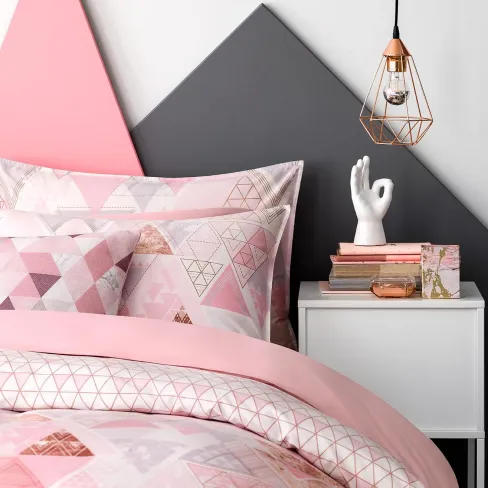
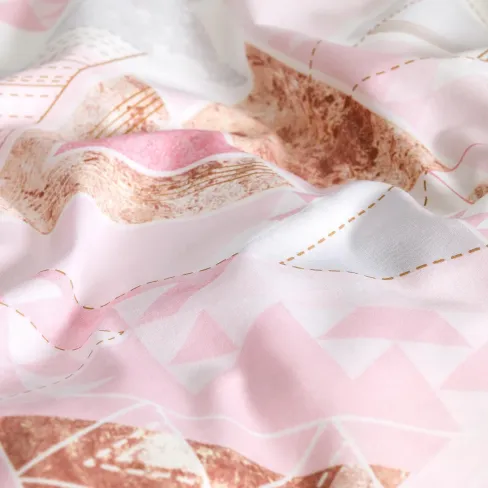
Togas Kids-pillowcases
Small pillows, big difference. A pillowcase speaks to how your child starts and ends the day. Togas builds kids pillowcases from fabrics tested for gentleness and grip on real sleep, cotton that pulls moisture away from skin, SENSOTEX® that regulates temperature through the night, and weaves tight enough to block allergens but open enough to let air move. Most carry envelope closures, so toddlers stay safe from hardware. When the bedroom feels designed, not just decorated, rest comes easier.
Discover the Art of Kids Pillowcases
Start with the basics. Classic cotton percale in white or soft pastels stays crisp after countless washes, and the 300-thread count hits the balance between durable and downy. Some designs arrive with jacquard borders, delicate geometric patterns woven into the edge that catch morning light without overwhelming a small bed. For kids who run warm or sweat through summer nights, cotton-satin blends absorb and release at the right pace.
SENSOTEX® pillowcases, made from eucalyptus fiber, bring something different. The fabric feels cooler than cotton yet warmer than linen, adjusting to shifts in room temperature. One parent noted their daughter stopped kicking off covers once they switched, the material doesn't trap heat the way synthetics do. These work particularly well for toddlers transitioning from crib to bed, when sensory shifts can disrupt sleep.
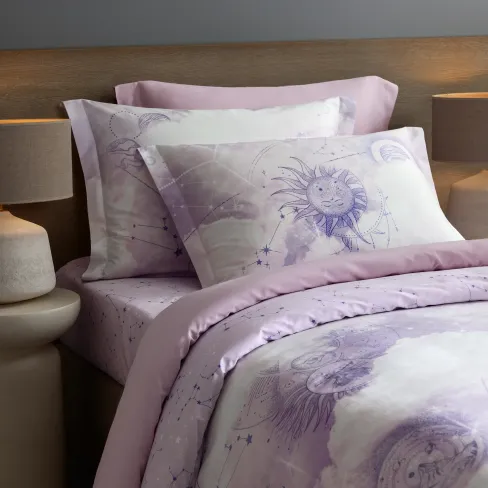
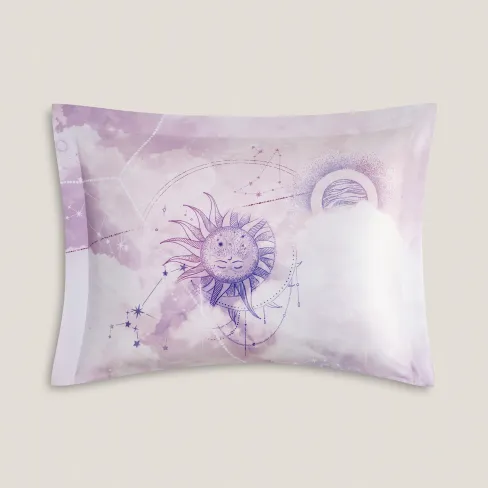
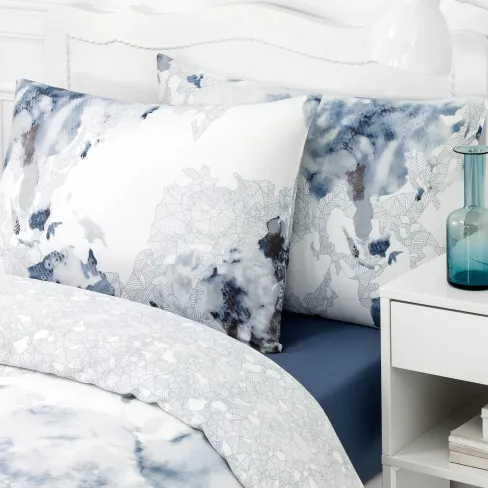
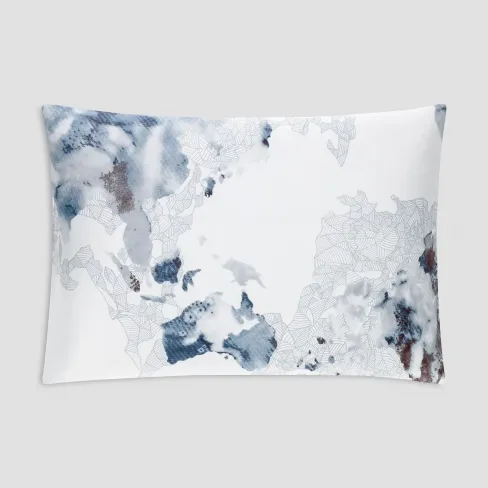
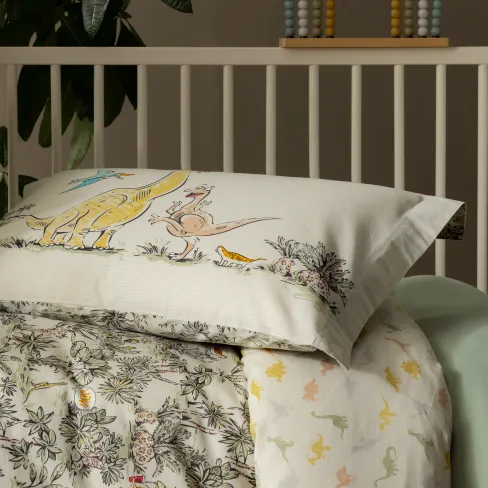
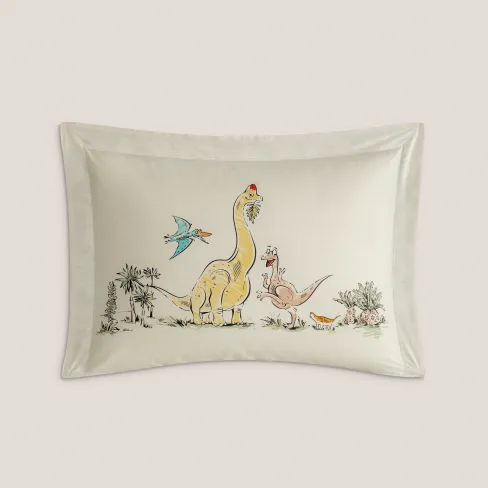
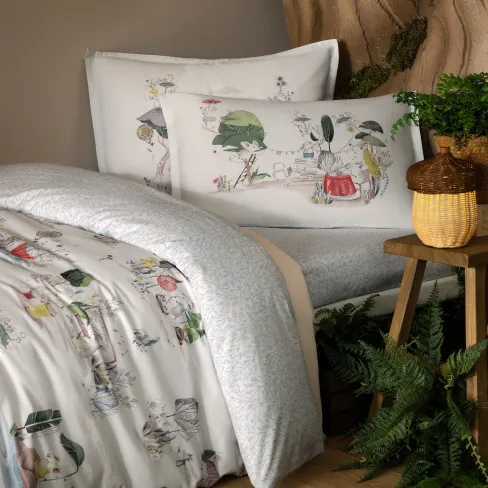
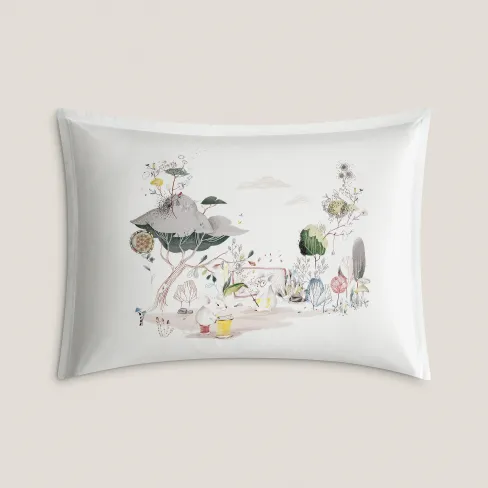
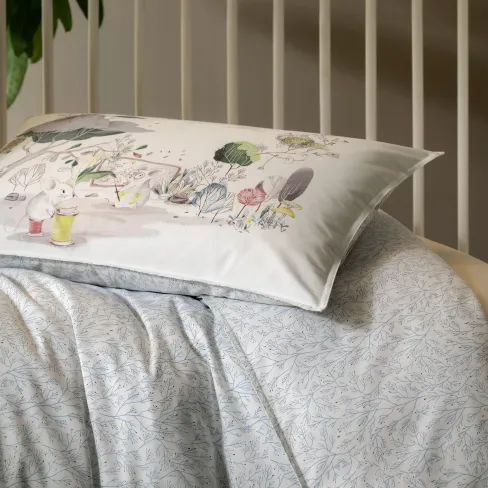
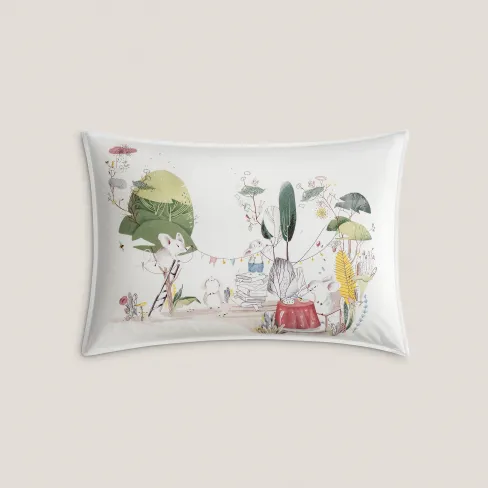
The toddler-sized cases measure around 13 x 18 inches, proportioned for smaller heads and necks. Older kids, typically ages four to ten, need 16 x 22 inch cases that support growing frames without bunching. Togas offers both, sometimes in coordinating prints, woodland creatures in muted greens and golds, or abstract art-deco motifs pulled from the adult collections but recolored for gentler palettes.
Envelope closures replace zippers across the line. The fabric folds over itself and tucks inside, creating a secure pocket without metal parts. This matters more than it seems. Pediatric sleep specialists flag zippers as choking risks for children under five, and even older kids can catch fingers or scratch skin on exposed hardware during restless sleep. Togas skips the risk entirely.
Browse the full kids bedding collection to see how pillowcases pair with sheets and duvet covers in the same fabric family.
A Kids Pillowcases Store Experience
Shopping here feels less like browsing and more like solving a small puzzle. Cotton for year-round use. SENSOTEX® when heat or allergies complicate sleep. Envelope closures across the board, because safety doesn't need announcing, it just sits in the details.
The cases arrive pre-washed in many styles, so the first night feels as soft as the fiftieth. Colors lean toward whites, soft grays, warm beiges, and occasional pops of teal or coral, tones that grow with the room instead of demanding a full redesign when tastes shift at age seven.
Pair with the kids sheets in the same thread count for a unified feel, or mix textures deliberately, a cotton-satin pillowcase against plain percale sheets adds just enough contrast to feel intentional.
Styling and Intent: Choosing the Right Kids Pillowcase
By age and size
Toddlers aged two to five need the smaller 13 x 18 inch cases. Their necks are still developing, and adult-sized pillowcases create bulk that pushes the head forward, straining alignment. If your child recently graduated from a crib, watch for signs they're ready for a pillow: using stuffed animals or bunched blankets as makeshift headrests, or complaining that the mattress feels too flat.
Kids four to ten typically shift to 16 x 22 inch cases. Growth spurts happen fast, a pillowcase that fit in September might feel tight by February. Check periodically. If the case pulls taut across the pillow or the fabric bunches at the edges, it's time to size up.
By material and sleep habits
Cotton percale works for most kids. The plain weave creates a matte finish that stays cool to the touch, and the fabric breaks in beautifully. Expect some wrinkling, which relaxes after the first few uses. If your child sweats heavily or lives somewhere humid, this is the dependable choice.
Cotton-satin offers a slight sheen and softer hand. The tighter weave makes it less breathable than percale, but the smoothness appeals to kids with sensory preferences, those who fuss over scratchy tags or refuse certain textures. The surface also reduces friction on hair, which matters if your daughter wakes with tangles or your son has eczema that flares from abrasion.
SENSOTEX® sits between the two. Eucalyptus fibers create a fabric that feels silky but breathes like cotton. Togas treats it with a solution from Ionian Sea algae extract, which sounds fanciful but measurably increases strength and reduces wrinkling. Lab tests show it's 10% stronger and 30% silkier than untreated cotton. For kids with allergies or skin that reacts to dust mites, this is worth the premium.
Material comparison at a glance
| Material | Best for | Breathability | Softness | Care |
|---|
| Cotton Percale | Year-round use,
hot sleepers | Excellent | Medium
(improves with age) | Machine wash warm,
tumble low |
| Cotton-Satin | Smooth feel,
hair care | Good | High | Machine wash cool,
avoid high heat |
| SENSOTEX® | Allergies,
temperature regulation | Excellent | Very high | Machine wash cool,
line dry preferred |
How washing frequency changes the game
Pillowcases collect more than you'd guess. Drool, sweat, skin oils, and the occasional bedtime snack crumb all settle into the fibers. Dermatologists suggest washing kids' pillowcases every two to three days, especially for children prone to acne or eczema. That frequency sounds aggressive until you consider how much time a pillow spends pressed against a face, around eight hours per night.
Having four to six pillowcases per child makes this schedule manageable. Rotate them through the week, toss the used ones in with regular laundry, and the task stops feeling burdensome. Togas cases hold color well, so you can wash them alongside towels or kids bed linen in similar tones without worrying about bleeding.
The envelope closure, explained
Standard pillowcases have an open end. Pillows slide out during sleep, and kids wake with fabric bunched around their shoulders. Envelope closures solve this by creating a flap that tucks inside the case, forming a pocket. The pillow stays put, and there's no zipper to catch on skin or break in the wash.
Togas constructs these closures so they're easy for kids to handle during bed-making (a skill worth teaching early) but secure enough to survive a night of thrashing. The overlap typically measures three to four inches, which prevents gaping even when the pillow compresses.
Color and pattern choices
White and cream never go out of style, and they pair with any duvet cover or bedroom scheme. Soft blues, grays, and greens offer calm without feeling clinical. Togas occasionally releases limited prints, think stylized forest scenes or abstract shapes that reference mid-century design, but avoids characters or logos that date quickly.
If you're building a set, choose one or two accent colors from the kids duvet covers and echo them in the pillowcases. The repetition feels deliberate without being matchy.
Care without overthinking
Group pillowcases by color and wash in cool to warm water, depending on fabric. Skip fabric softener on cotton, it coats fibers and reduces absorbency over time. For SENSOTEX®, use a mild detergent and line dry when possible to preserve the eucalyptus fiber's natural properties.
Shake out the cases before loading them into the washer. Food particles, hair, and dust settle in the envelope flap, and a quick shake prevents clogs in the machine. If a case develops a stain, marker, juice, whatever, treat it immediately with a gentle stain remover before it sets.
Replace pillowcases every 12 to 18 months, even if they look fine. Fabric degrades with washing, and allergen buildup eventually outpaces what detergent can handle. Think of it as a refresh rather than a failure.
When to move up in size
Your child will signal when they're ready. Complaints about the pillow feeling lumpy or uncomfortable, waking with a stiff neck, or the pillowcase looking visibly small all point to needing a larger size. Some kids grow into the 16 x 22 size by age four; others don't need it until six or seven. Bodies vary, so let comfort guide the decision rather than arbitrary age brackets.
Explore options across women’s and men’s bedding collections for older kids transitioning to twin or full beds, the design language stays consistent, making it easier to coordinate as they age out of overtly "kids" styles.
A Thoughtful Finishing Touch
The right pillowcase doesn't announce itself. It just makes sleep feel less negotiable and mornings a bit gentler. Choose by fabric if your child has sensitivities, by size if they've recently grown, and by color if you're building a cohesive room. Togas measures quality in thread count and finish, yes, but also in how long the fabric holds up against weekly washing and nightly use. Add coordinating kids bedroom textiles and the space starts to feel less provisional, more considered, a small shift that registers in how willingly a child settles in at night.